Coyase: A Thin Display Font for Handmade Products
When you run a small craft business, every design choice tells a story. The font you pick for a label, a sticker, or a wedding sign can shape how customers feel about your work before they even touch the product. Coyase is that kind of typeface—a simple, thin, and unique lettered display font that adds quiet confidence to any handmade piece. It doesn’t shout; it breathes elegance into everyday words, and that makes it a smart addition to any maker’s design toolkit.
I first noticed Coyase while searching for a clean yet distinctive font to use on a batch of custom soy candle labels. The brief was clear: the label needed to feel modern, personal, and a little whimsical without being childish. Coyase fit like a charm. Its thin, elongated letterforms have a hand-drawn warmth that reads like a carefully penned note, yet the consistency across the characters makes it highly repeatable for printed products. That balance between handmade charm and crisp readability is rare, and it’s what makes this display font so practical for crafters.
The Visual Personality That Makes Coyase Stand Out
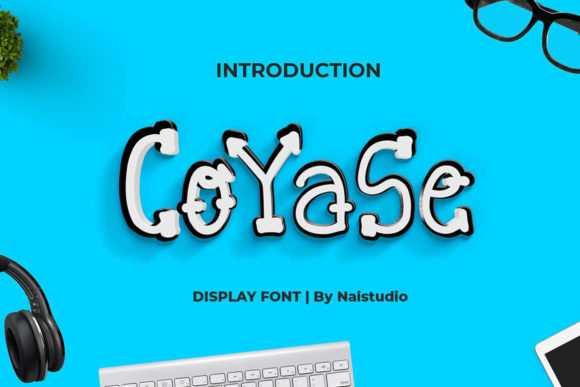
At its heart, Coyase is a display font with a delicate, lettered soul. The strokes are thin and even, giving it an airy, modern feel. The uniqueness comes from the subtle curves and slight irregularities that mimic natural handwriting, but without the messiness that can make a font unusable for small-scale products. It’s organic enough to feel personal, yet structured enough to look polished on a retail shelf. This visual personality allows it to bridge the gap between minimalistic modern typography and the cozy, handcrafted aesthetic that so many customers love.
Unlike overly ornate script fonts or heavy slab serifs, Coyase keeps things light. It works beautifully as a standalone statement on product tags, but it also plays well with other typefaces. The thin weight means it never competes for attention; it invites the eye to rest on the wording. For makers who want their product names, short quotes, or brand names to feel like a quiet signature, this font delivers that emotional appeal effortlessly.
Where Coyase Belongs in Your Handmade Lineup
One of the joys of using Coyase is how naturally it slides into a huge range of craft projects. Because it’s a display font, it’s designed for short, prominent text—think names, titles, headings, and key phrases. It’s not meant for long paragraphs, but that’s exactly what you need when you’re designing a label, a card front, or a sign. Here are some real-world ways crafters and small shop owners can put it to work:
- Product labels and packaging: Whether you’re selling handmade soaps, candles, honey jars, or spice blends, Coyase gives your labels a refined, boutique feel. The thin letters reproduce well on kraft paper, glossy sticker stock, and clear labels, making your products look like they came from a high-end market.
- Greeting cards and invitations: For birthday cards, wedding invitations, or baby shower stationery, this font adds a touch of hand-lettered warmth. Pair it with a simple border or a watercolor background, and you’ve got a design that feels custom and heartfelt.
- Wedding signage and welcome boards: Large welcome signs, seating charts, and table numbers benefit from the font’s thin, airy look. It’s romantic without being fussy, and it cuts cleanly on vinyl if you’re using a Cricut or Silhouette machine.
- Printable wall art and digital downloads: If you sell printables on Etsy or your own website, Coyase works wonders for inspirational quotes, family name signs, and minimalist prints. The lettered style gives a personal touch that customers associate with premium, handcrafted decor.
- Boutique tags and hang tags: Clothing tags, jewelry cards, and price tags look instantly elevated with Coyase. Because the font is thin, it doesn’t overpower the product, allowing the item itself to remain the star while the tag whispers brand quality.
- Seasonal and holiday crafts: From Christmas ornament tags to Easter basket labels, Coyase adapts to seasonal themes easily. Change the color to gold or white, and it becomes festive; keep it black on kraft, and it’s rustic and timeless.
- Mugs, shirts, and tote bags: For heat transfer vinyl projects, the font’s clean lines are a dream. The thin strokes weed easily and press smoothly, so you can confidently offer personalized merchandise without worrying about delicate details tearing.
How Coyase Shapes Product Presentation and Customer Perception
A font does more than display words—it communicates value. When a customer sees Coyase on a label or a sign, they perceive thoughtfulness and care. The thin, unique lettering suggests a personal touch, which in turn builds trust. In a crowded market, that emotional connection can be the difference between a one-time sale and a loyal customer who comes back because your brand feels special.
Brand consistency also gets a boost from using a distinctive display font. By incorporating Coyase into your product packaging, social media graphics, and printable downloads, you create a visual thread that ties your entire shop together. When someone scrolls through your Instagram feed or browses your Etsy listings, the typeface becomes a quiet signature they start to recognize. This recognition is a powerful tool for building a cohesive brand identity without needing a complex logo or expensive design assets.
For product photography, the font’s thin weight photographs beautifully. It never looks heavy or cluttered, even in mockup previews on a phone screen. Whether you’re staging a flat lay of your stickers or a lifestyle shot of a mug, the text remains readable and elegant. This is especially valuable for online sellers who rely on crisp, appealing listing images to stand out.
Practical Readability and Cutting Tips for Crafters
Because Coyase is a thin display font, you need to handle it with a little care when scaling down for very small items. On tiny stickers—say, under one inch tall—the thin strokes could become too delicate and might break during cutting or become hard to read. That’s not a flaw of the font; it’s just a reality of ultra-thin letterforms. For labels and tags that are at least 1.5 to 2 inches wide, the font shines. Always test a small sample cut before running a full batch, especially if you’re using adhesive vinyl or paper with a strong texture.
For Cricut and Silhouette users, the font’s simple structure means you’ll spend less time cleaning up intricate nodes. The smooth, continuous lines are ideal for pens, foil quills, and engraving tools as well. If you’re creating SVG designs for digital download, Coyase’s uncomplicated shapes produce clean cut files that your customers will appreciate. Just remember to weld the text before cutting, and if you’re working with very fine material, consider slightly thickening the stroke in your design software for a sturdier result.
When printing, the font’s thin style looks best with a high-quality printer and a smooth paper stock. The fine details can get lost on rough, absorbent materials, so opt for coated paper or premium label sheets for the crispest output. In mockup previews, you might need to adjust the contrast slightly to make the text pop, but the overall effect is well worth the tiny extra step.
Smart Font Pairing Ideas for Coyase
One of the best ways to stretch Coyase across your whole product line is to pair it thoughtfully with other fonts. Because it’s a thin, lettered display font, it gets along well with typefaces that offer contrast. Here are a few pairing strategies that I’ve found work beautifully in craft projects:
- With a clean sans serif: Pair Coyase with a simple, modern sans serif font for a look that’s fresh and balanced. Use Coyase for the main product name and the sans serif for secondary details like ingredients, dates, or shop names. The combination feels both handcrafted and professional.
- With a classic serif font: For wedding invitations or farmhouse-style signs, a delicate serif font underneath a Coyase heading creates a timeless, romantic feel. The serif adds a touch of tradition, while Coyase keeps it approachable and modern.
- With a subtle script font: If you want to bring in more movement, choose a light, airy script font for a few words and let Coyase anchor the design. Just be careful not to use too many competing handwritten styles at once—Coyase already carries a lettered quality, so the script should be a soft complement, not a rival.
- With a bold condensed font: For product tags that need a bit of edge, contrast Coyase with a bold, condensed sans or slab serif for the price or a short callout. The thin and thick interplay grabs attention right away.
This versatility means you can keep Coyase as your signature font while still customizing every product for a different mood or occasion. It’s a design asset that grows with your shop, not a one-trick wonder.
Style Specs and What to Look For
Coyase is described as a simple, thin, and unique lettered display font, and that straightforward description is part of its charm. It likely comes with a standard character set and basic punctuation, making it ready for most craft projects without overwhelming you with options. While it may not include a massive library of alternates, ligatures, or swashes, that’s often a plus for crafters who need predictability and ease of use. The clean, unfussy design means you can type, resize, and cut without extra fiddling.
That said, always check the font’s included file formats when you download it. For cutting machines, OTF or TTF files are what you need. If the font offers multilingual support, you’ll have even more flexibility for international customers or creative wording. A quick test with your design software will confirm if the font handles special characters and accents smoothly, which is especially important if you sell printables or custom stationery for a diverse audience.
Commercial Licensing for Craft Sellers
If you’re planning to sell physical products, digital downloads, or templates that use Coyase, licensing is non-negotiable. Most premium fonts require a commercial license for any business use, and display fonts are no exception. A standard desktop license typically covers things like printed invitations, labels, and signs that you sell directly to customers. For SVG designs, digital printables, or editable templates, you may need an extended license that allows the font to be embedded in the file.
Always read the license terms carefully before you invest in a font. Some creators are generous with small-scale commercial use, while others require a separate license for each application. The peace of mind that comes from knowing you’re using the font legally is worth every cent, and it protects your business as you grow. When you choose a font like Coyase, you’re not just buying a pretty typeface; you’re adding a reliable, commercially safe tool to your crafting arsenal.
Bringing Coyase into Your Everyday Creative Workflow
What I love most about Coyase is how it quietly raises the bar for every project it touches. It doesn’t need to be the loudest font in the room to make a difference. Its thin, unique lettering feels like a secret ingredient that turns a simple paper tag into a memorable keepsake. Whether you’re printing a batch of holiday product packaging, designing a wedding welcome board, or creating a new line of planner stickers, this font respects your vision and lets your handmade work speak with clarity and charm.
As a maker, you know that the right design assets can transform a hobby into a thriving small business. A font like Coyase becomes more than a tool—it becomes part of your brand’s voice. It’s the typeface that sits on your candle labels, greets your customers on a thank-you card, and adds a personal touch to your online shop’s banner. It’s simple, it’s thin, and it’s unmistakably unique. And that’s exactly what makes your products stand out in a world full of noise.